7 Ways Teens Can Make Good Money Decisions
For most teenagers, money is something that comes in from an allowance or a part-time job and goes out just as fast, thanks to expenses like smoothie runs, online shopping, and concerts. However, high school and early college years are the perfect time to shift from just "spending" to "managing" money. This article will explain how finding that sweet spot between financial literacy (the knowledge) and financial capability (the actions and behaviors) is key.
How to Develop Financial Literacy for Teens
April is National Financial Literacy Month, which is not reserved for just adults! Children and teens are encouraged to get engaged about their financial futures at a young age, because healthy habits formed early will lead to success down the road.
Here is the good news: teens can learn how to be savvy money managers, even with limited dollars and busy schedules. Here are some tips:
1. Build a Simple Budget
 A budget isn’t meant to be restrictive or a punishment; it’s a flexible plan that puts you in control. Think of a budget similar to how you’d create an academic plan upon entering a college or university. You need a written plan for the classes you’ll take and when. If you follow the plan, you’ll earn a degree. The same is true with a budget – it’s a plan to ensure you have enough for what you want now (like pizza and a Spotify subscription) and what you want later (like a car or college).
A great starting point is using the 50/30/20 model:
- 50% of Net Income - Needs: Essential expenses like gas, car insurance, or cell phone bills.
- 30% of Net Income - Wants: Fun money for recreation, clothes, or fast food.
- 20% of Net Income - Savings: Money for future goals or emergencies.
UMCU has an easy-to-use budgeting spreadsheet that is free for members – request yours today with an email to education@umcu.org. And be sure to check out our free budget brochure for tips on building one!
2. Learn the Art of Saving
Saving money takes discipline and planning but can be very rewarding, especially when it helps you reach meaningful goals like buying a new laptop or a taking a trip. The key is to pay yourself first. Whenever you receive money, immediately transfer at least 10% to 20% to a separate savings account before you spend any of it. An added benefit - savings accounts earn interest, which is money paid to you by the credit union for holding your funds, helping your balance grow over time. Interest is usually calculated daily as a percentage of your balance (annual percentage yield or APY) and credited monthly.
3. Open Your Own Bank Accounts
If you haven't already, opening an account is a major step toward independence. Here is how to get started:
Checking Account: These credit union checking accounts are great for everyday spending and managing a debit card while keeping your money accessible.
Savings Account: Perfect for setting money aside for your future goals and earning interest as your balance grows.
UMCU offers a holistic Student Account Package to help you get your financial footing in college and beyond!
4. Separating "Needs" vs. "Wants"
One of the biggest lessons in financial management is being able to distinguish between a need (something you must have) and a want (something you’d like to have). Before making a spending decision, ask yourself: "Do I need this, or do I just want it?" Often, if you wait 24 hours before buying something non-essential, you may find that you don't actually need it or want it that badly.
 Working a part-time job is a great way for teens to start saving for a car, college, or a specific personal goal!
5. Start Working (if possible)
Moving from an allowance to earning your own money changes how you view it. When you work a long shift, you realize how much effort goes into that paycheck, and you’re likely to spend it more carefully.
- Common Teen Jobs: Retail associate, restaurant server, barista, lifeguard, landscaper, babysitter, or dog walker.
- Understand Your Paycheck: Learn the difference between "gross pay" (what you earned) and "net pay" (what you take home after taxes and deductions).
6. Understand Borrowing and Debt
It’s very common for people to borrow money for larger purchases like houses and cars. A credit union credit card can be a helpful financial tool to build credit if used carefully. The key is being a responsible borrower and understanding how the repayment will work. Any loan you take will need to be repaid in full, along with added interest. At UMCU, we offer a low-rate Visa® credit card so building your credit score is easy.
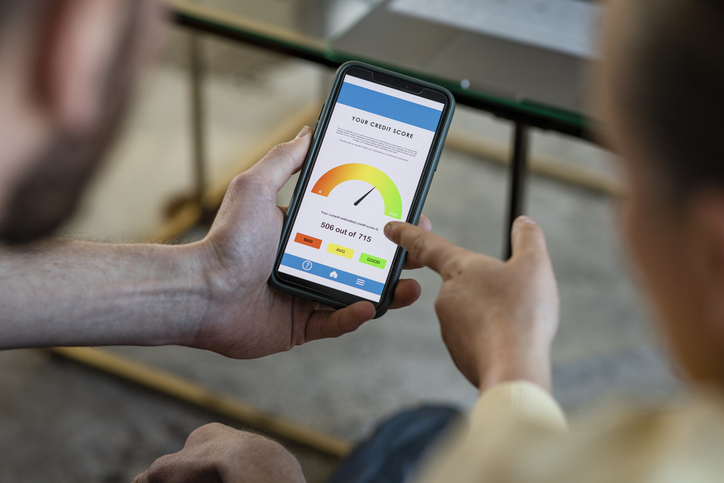
Understanding Credit Scores: Think of this number as your financial grade point average (GPA). You might be wondering, "how can I build my credit effectively?" Good credit is often needed later in life for renting an apartment, buying a car, or even getting a job. By managing your accounts and loans responsibly now, you ensure that your "financial GPA" stays strong for the future. Check out our free brochure on credit scores and how they're calculated!
7. The Bottom Line
Entering young adulthood and the workforce with a solid understanding of money management can give you a real leg up in the long run. Unfortunately, many young people aren't getting an education in the fundamentals of personal finances, such as budgeting, investing, and saving. Commit to learning and seeking help from trusted sources like UMCU – your financial health is depending on it. Good luck!
Interested in learning even more? Check out our FREE in-person workshops and online webinars! Our financial education team covers all kinds of topics like:
- Building a budget
- Establishing credit
- Financial wellness for students
- Buying your first home
- And more!